


Fellowship Courses
ACLS And Pals Marathon
This course is a one-day intensive review of advanced cardiac life support (ACLS) and pediatric advanced life support (PALS), designed to assess each fellow’s existing skill level. It also includes an extensive review of the educational materials.

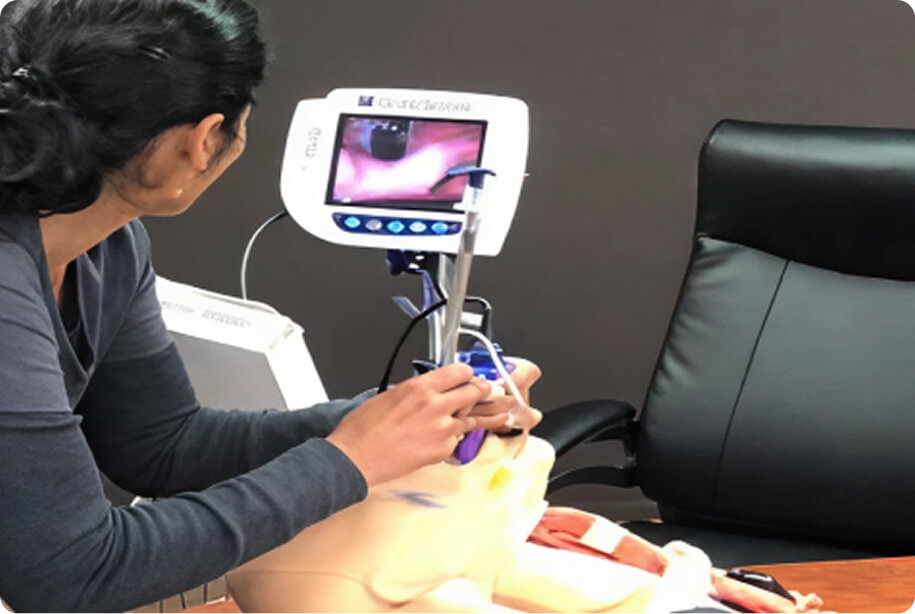
Airway Course
The Airway Management course is a one-day program that includes brief didactic lectures followed by hands-on simulation labs covering the following topics:
- Basic Airway Managment
- Endotracheal Intubation
- Rapid Sequence Intubation
- Delayed Sequence Intubation
- Advanced Techniques
- Failed Airway
- Laryngeal Mask Airway
- King Airway
Advanced Life Support In Obstetrics
The Advanced Life Support in Obstetrics (ALSO) course uses a blended learning approach and requires completion of prerequisite lectures and assigned reading. The course concludes with interactive group learning sessions. Topics covered include:
- First Trimester Pregnancy Complications
- Medical Complications of Pregnancy
- Vaginal Bleeding in Late Pregnancy
- Preterm Labor and Premature Rupture of Membranes
- Intrapartum Fetal Surveillance
- Labor Dystocia
- Malpresentations, Malpositions, and Multipel Gestations
- Assisted Vaginal Delivery
- Postpartum Hemorrhage
- Maternal Resuscitation and Trauma
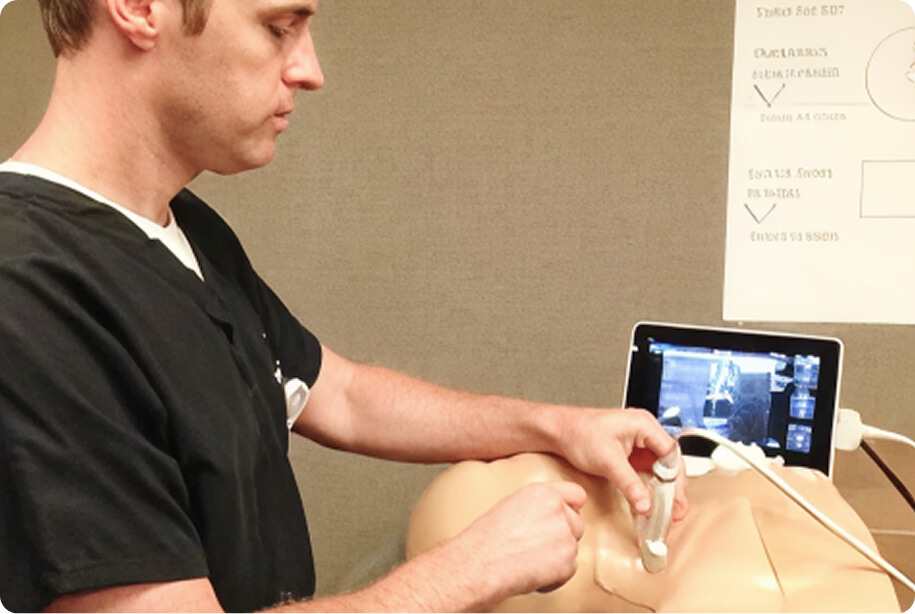
Central Line Insertion (Vascular Academy)
The Central Line Insertion (Vascular Academy) course focuses on reinforcing best practices in central venous access. Instruction is provided on ultrasound-guided vein assessment and access, hands-on simulation, and integration of evidence-based strategies to reduce the risk of complications, including Central Line-Associated Bloodstream Infection (CLABSI). For an experienced inserter, this course affords opportunities to enhance practical skills and knowledge. For novice inserters, it provides foundational knowledge required for inserting Central Venous Access Devices (CVADs). Subsequent validation of competencies to be managed by inserters’ individual practice settings.
This course uses a blended learning approach and requires completion of prerequisite lectures and assigned reading. The course concludes with interactive group learning sessions.
Surgical Anatomy Skills
The Surgical Anatomy Skills course is a half-day program that includes brief didactic lectures followed by hands-on simulation labs covering the following topics:
- Interosseous Access
- Chest Needle Decompression
- Chest Finger Thoracotomy
- Chest Tube Insertion
- Surgical Airway
- Arthocentesis
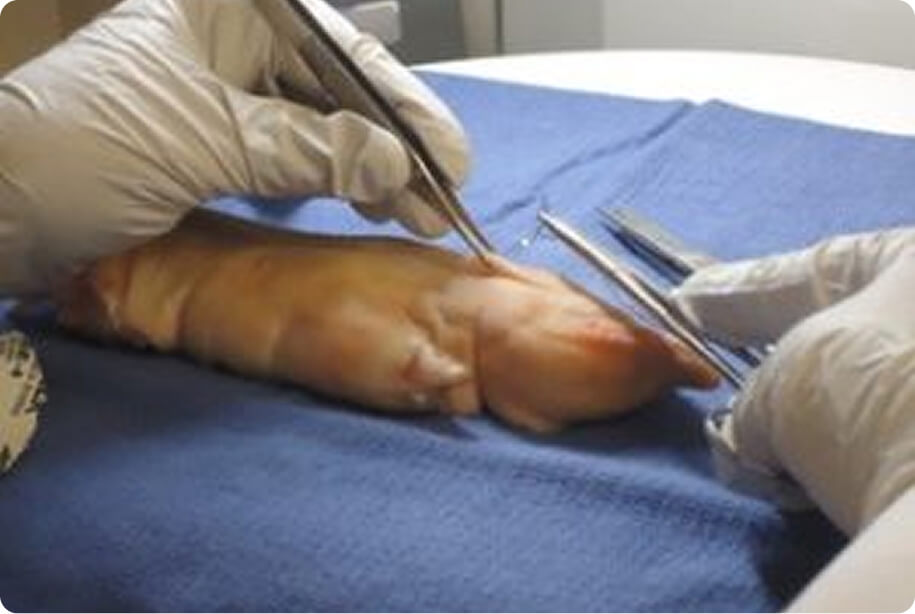
Suture Skills
The Suture Skills course is a half-day program that includes brief didactic lectures followed by hands-on simulation labs covering the following topics:
- Basic Suturing Skills
- Advanced Suturing Skills
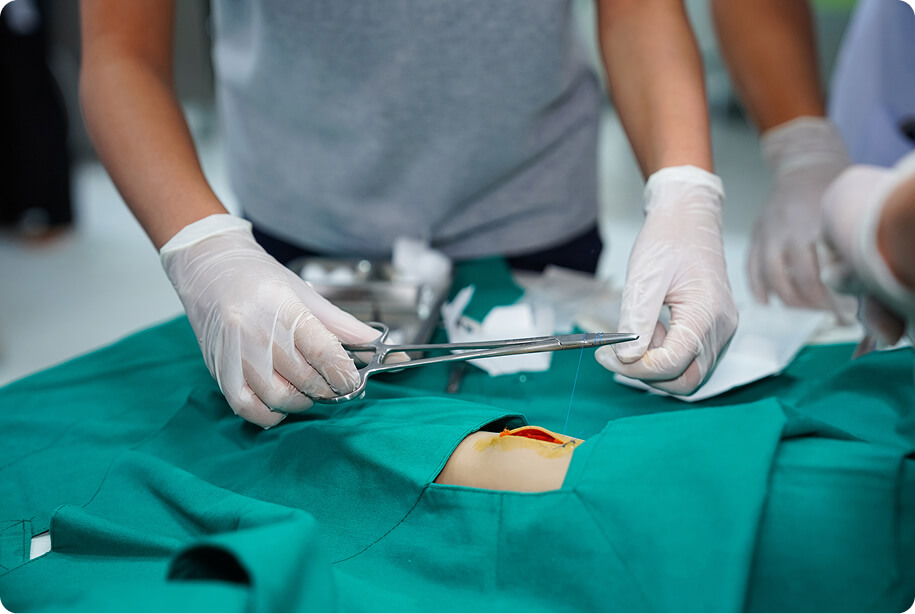
Electronic Medical Record (EMR) Introduction
The Electronic Medical Record (EMR) Introduction course is a computer-guided program delivered in real time at the learner’s pace.
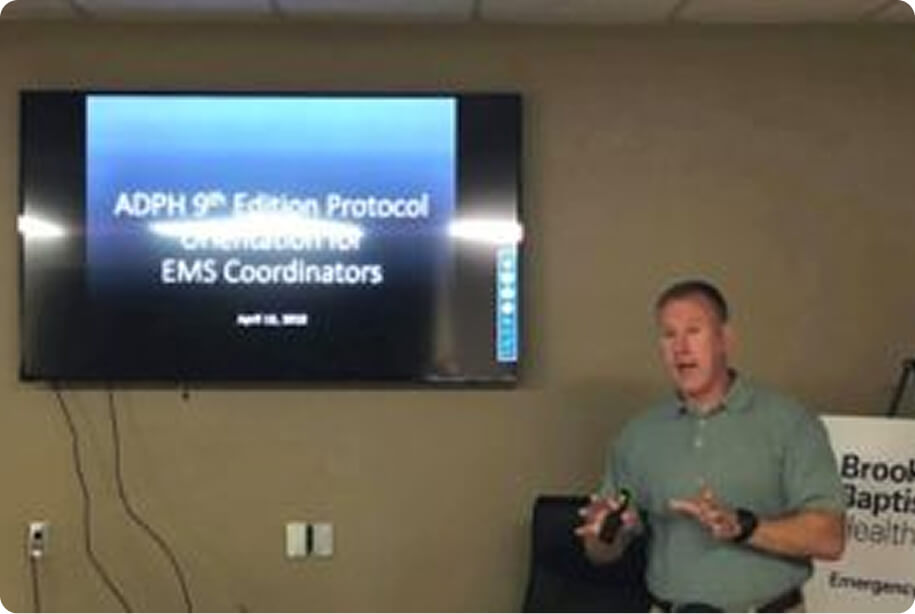
Introduction To Alabama EMS Protocols
The Introduction to Alabama EMS Protocols course guides fellows through the standard protocols followed by the EMS teams who work hand-in-hand with the emergency department team.
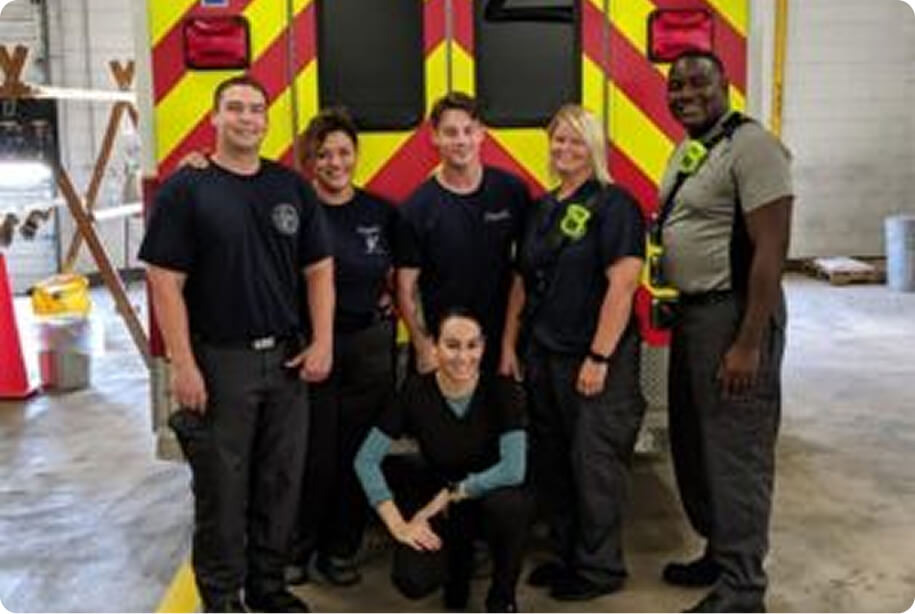
EMS Ride-Alongs
The EMS Ride-Alongs course gives fellows a day-in-the-life experience alongside paramedics from local EMS agencies that transport patients to the emergency departments at fellowship clinical sites.
Start Your Application
We’re ready to help. Complete this form and one of our recruiters will be in touch to share more about our program.